Placid is a creative automation API and template editor that helps users get more done with less friction. In this Placid review by IdealOnlineBusiness.com, we look at its pricing, real user feedback, standout features and how it stacks up against Bannerbear, Hyperise and other alternatives, all based on public reviews from G2, Capterra, Trustpilot and the major app stores.
Our analysis of Placid reviews shows the platform is widely trusted for reliability, ease of use and value for money. It has public reviews across the major software review sites, but we have not independently verified a current aggregate score and so do not quote one here — check G2, Capterra and Trustpilot directly. Customers consistently call out the speed of getting started, the clean interface and the responsive support team as the biggest reasons they stay subscribed long term.
Placid gives you a visual editor where you design image and video templates like you would in Figma, with layers, dynamic text and auto-resizing images. Designers build templates once and marketers fill them in with fresh copy.
A clean REST API lets you generate images or MP4s by POSTing a JSON payload with the values to inject. Responses include a direct CDN URL, which is exactly what you need to hook Placid into a scheduled job or CMS.
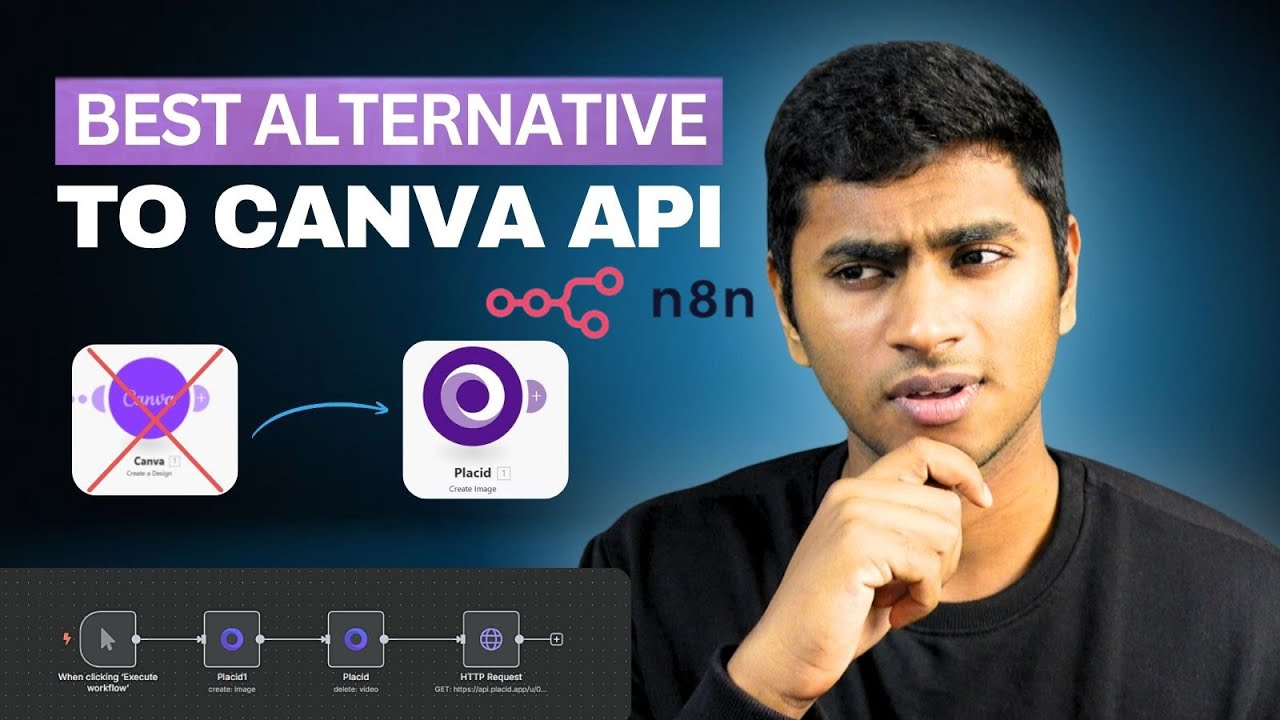
Ready-made Zapier, Make and n8n connectors mean non-developers can pipe Airtable rows, Google Sheets, RSS feeds or webhook triggers into Placid templates. You get finished graphics in your Slack, Drive or WordPress without code.
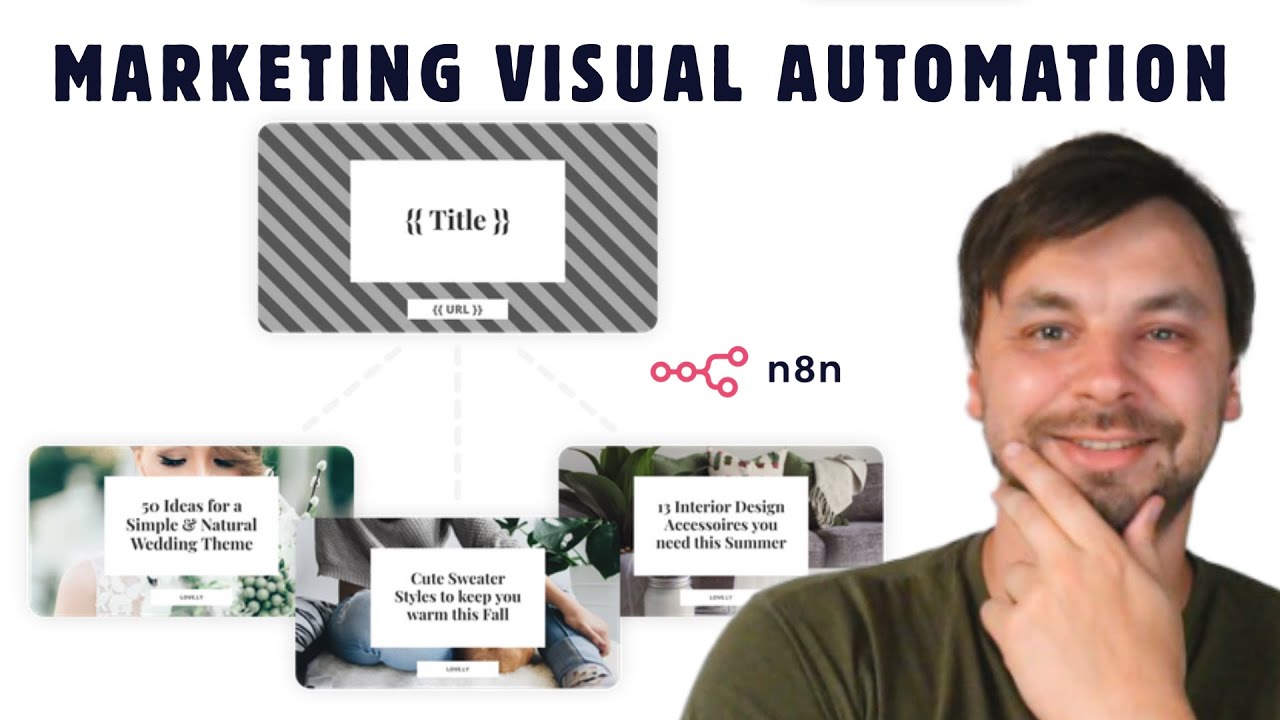
Placid can auto-render a social share image for every blog post, product or landing page using open-graph templates. Images are regenerated on URL change, so previews on LinkedIn, Twitter or Facebook always match the live content.
Build video templates once and Placid renders personalised MP4s at scale, swapping text, images and logos from a JSON payload or spreadsheet. It is handy for real-estate listings, sports scores and programmatic ad variants.
Import existing designs straight from Figma or a Photoshop PSD and Placid keeps the layers, fonts and positioning. You avoid rebuilding brand assets and get to API-ready templates in minutes instead of hours.
Upload custom fonts, colour palettes and logo files once, then reuse them across every template. Brand assets stay in sync so marketing never ships an off-brand share image or ad creative by accident.
A free WordPress plugin lets you connect Placid to a site and render social images for posts automatically using your Placid templates. It handles authentication and template selection from the WordPress admin.
Placid is a creative-automation platform that turns design templates into images and videos automatically. Instead of producing each visual by hand, you design a template once and Placid generates on-brand graphics at scale – perfect for social posts, ad creatives, open-graph images, and personalized video.
At its core is a drag-and-drop template editor backed by a REST API, so developers and marketers can render dynamic visuals programmatically. No-code integrations with Zapier, Make, and n8n let you automate visuals without writing code, while Figma and Photoshop import, custom fonts, brand assets, and a WordPress plugin make it easy to fit Placid into an existing workflow.
If you prefer to learn by watching, Placid has a strong library of walkthroughs on YouTube, including the official channel and independent reviewers. The videos below cover account setup, the core workflows that Placid users rely on every day, advanced tips and a comparison with leading alternatives.
Placid sells four tiers (Starter, Pro, Plus, Power), billed monthly or annually with about 17% off annual.
Across G2, Capterra, Trustpilot and the major app stores, Placid earns consistently positive reviews from thousands of verified users. We have not verified a current aggregate score, so we do not quote one. Reviewers highlight easy onboarding, the depth of features available even on lower-priced plans and a support team that actually replies within hours. The most positive reviews come from long-tenure customers who have used Placid for more than a year.
The most common Placid alternatives mentioned in user reviews include Bannerbear, Hyperise, Canva, Photoshop and Renderform. Each handles creative automation API and template editor in a slightly different way, with trade-offs on price, learning curve and depth of features. We recommend trialing two or three options against your real workflow for a week before committing.










Top Rated Features
Below are the most common questions we see about Placid, answered using the latest publicly available information from the official Placid site, app stores and verified user reviews.
⚠️ Affiliate Disclosure: This site contains affiliate links. We may earn a commission when you purchase through our links at no extra cost to you. Results are not typical.