ProtoPie is an advanced interactive prototyping platform built for product designers, UX researchers, and product teams who need high-fidelity, sensor-aware prototypes without writing code. In this ProtoPie review by IdealOnlineBusiness.com, we look at its pricing, sensor support, IoT integration, and real user ratings collected from G2, Capterra, and Product Hunt.
Whether you design mobile apps, smartwatch interfaces, automotive dashboards, or IoT-connected hardware, ProtoPie promises Figma-to-prototype import, native gestures, voice triggers, microphone input, GPS, gyroscope, accelerometer, Bluetooth, and external hardware connectivity in a no-code interaction model. It backs that up with cloud sharing, password-protected links, and a Connect tool for cross-device prototypes.
Our analysis of ProtoPie user reviews shows the platform is widely loved by product teams designing connected experiences and complex interactions. It has public reviews on G2, but we have not independently verified a current aggregate score and so do not quote one — check G2 directly. Designers consistently call out the realism of sensor-driven prototypes, the cross-device Connect feature, and the smooth Figma import workflow as the biggest reasons they pick ProtoPie over Framer or Principle for high-fidelity work.
ProtoPie is one of the only no-code prototyping tools that taps into device sensors — gyroscope, accelerometer, GPS, sound, ambient light, and orientation. Build prototypes that react like real connected products.
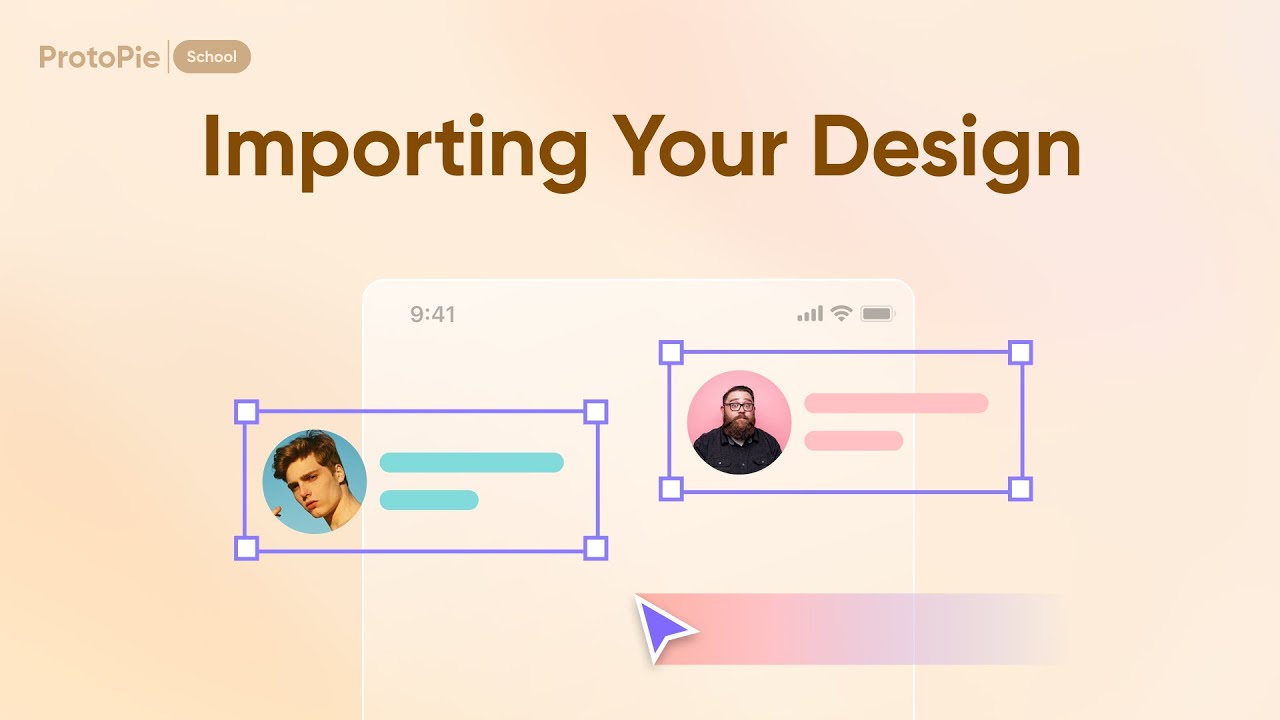
Direct import from Figma, Sketch, and Adobe XD preserves layers, components, auto-layout, and styling. Most teams move designs into ProtoPie in a single click.
The ProtoPie Connect tool lets one prototype run across multiple devices simultaneously — phone, tablet, smartwatch, and car dashboard — with shared state. Essential for IoT and multi-device experiences.
Trigger interactions from microphone audio, voice commands, and speech recognition. Build voice-first prototypes (Alexa-style devices, smart car assistants) without writing code.
Connect ProtoPie prototypes to external hardware via Bluetooth, MQTT, OSC, and HTTP. Used by automotive, smart-home, and medical device teams to validate hardware-software interactions.
Variables, formulas, and conditional logic let you build prototypes that mimic real product state — login flows, settings persistence, contextual UI, and dynamic data.
Team plans support real-time collaboration with multiple editors in a single pie, comments, and shared component libraries.
Share prototypes via password-protected links, set view-only permissions, and roll back to previous versions with full version history on Pro and higher tiers.
ProtoPie packages a full high-fidelity prototyping platform into one workspace. You get a no-code interaction editor, sensor support (tilt, compass, sound), conditional logic, multi-screen prototyping, hardware connections, and design-tool imports from Figma, Sketch, and Adobe XD. According to ProtoPie reviews on G2 and Capterra, product designers most often call out how the conditional and variable system lets them build app-like prototypes that feel real, including conditionals, math, and live data, without writing code.
Where ProtoPie really separates itself from Figma prototyping is the interaction depth. You can wire physical hardware (Arduino, IoT) into a prototype, simulate phone-to-watch-to-tablet handoff, and respond to real device sensors. The Cloud handover lets engineers inspect the prototype with timing data and asset specs. It is not flawless, learning the trigger-response model takes time, but the core feature set holds up well for product designers, UX teams, and innovation labs in 2026.
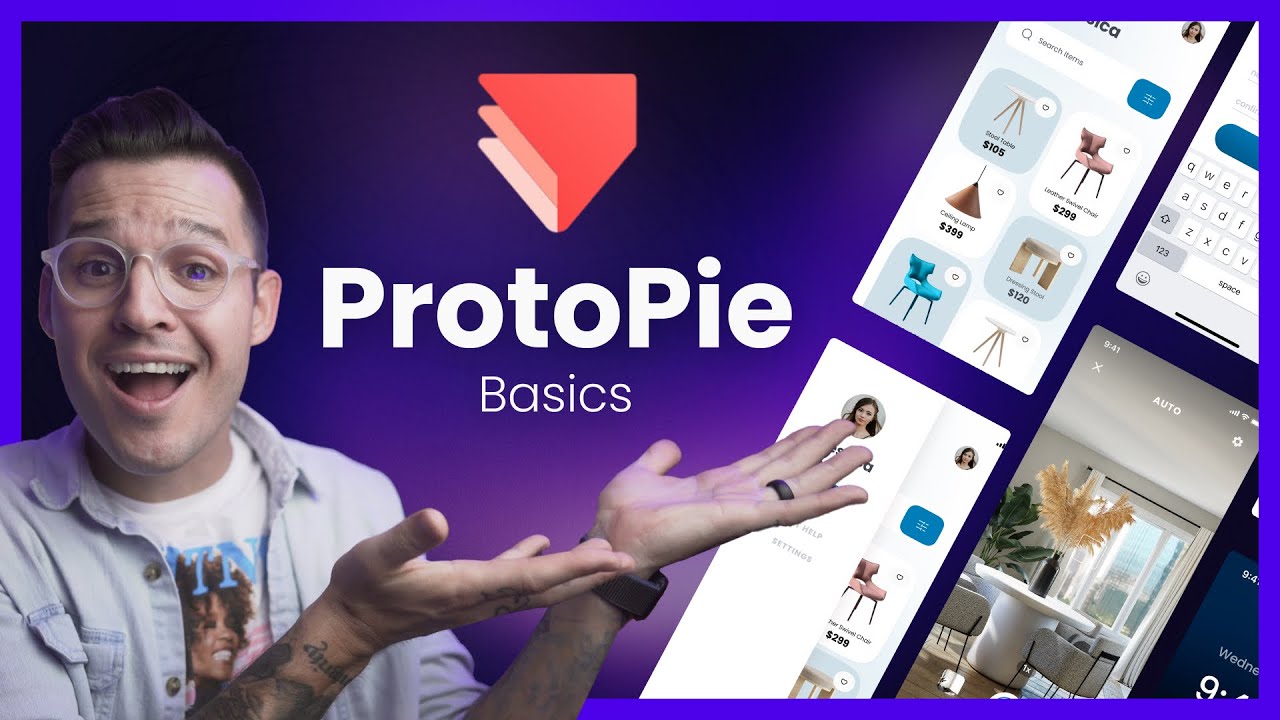
If you prefer to learn by watching, ProtoPie has a strong library of tutorials on YouTube from both the official ProtoPie channel and independent UX designers. These walkthroughs cover how to import Figma files, build trigger-response interactions, use variables and conditions, prototype across multiple devices, and connect hardware. IdealOnlineBusiness.com recommends watching at least two of the beginner tutorials below before paying for a plan, so you can see the editor, sensor support, and Cloud handover for yourself before committing.
ProtoPie is a powerful tool for creating highly interactive, realistic prototypes without code. Below are the core services ProtoPie offers designers and product teams to design, test and hand off advanced interactions.
ProtoPie uses a tiered subscription model with monthly and annual billing (annual saves up to 26%), plus a free plan for individuals. Prices below are the annual rates.
Free Plan: $0 — for trying ProtoPie: 2 prototypes saved in the cloud, 2 scenes per prototype, and 50MB of cloud storage.
Basic Plan: $25/mo (1 seat only) — ProtoPie AI credits, 20 prototypes saved in the cloud, 10 scenes per prototype, and 500MB of cloud storage.
Pro Plan: $47/editor/mo — everything in Basic plus unlimited prototypes, 5GB of cloud storage per team, local prototype saving, and team libraries.
Enterprise Plan: Custom pricing — everything in Pro plus enterprise-grade security, SSO, and dedicated support (contact sales).
All plans include the high-fidelity prototyping editor and cloud sharing, with ProtoPie AI credits included on paid tiers. Pricing is per seat/editor in USD.
While ProtoPie leads on sensor and IoT-aware prototyping in 2026, alternatives may suit specific use cases better. Figma includes basic prototyping that’s sufficient for most app and web flows, while Framer is the go-to for animation-heavy and code-driven prototypes. Axure RP remains the standard for enterprise documentation-style prototypes, and Principle is favored for animation-rich micro-interactions on macOS. For pure motion design, After Effects + Lottie remains a popular choice, and for VR/AR prototypes, Adobe Aero and Reality Composer are worth comparing.










Top Rated Features
ProtoPie is one of the most powerful interactive prototyping tools in 2026, especially for IoT, automotive, and sensor-aware product design. Below are the most common questions about ProtoPie pricing, Figma import, and connected device support.
⚠️ Affiliate Disclosure: This site contains affiliate links. We may earn a commission when you purchase through our links at no extra cost to you. Results are not typical.